
• About
  • Pricing and Payment.
  • Gallery
    • Keith Draws Illustration
    • Illustrated covers
    • Children’s illustration
    • Maps and Cartography
    • Pre Designed Science Fiction, Fantasy and Horror Covers with Free typography.
    • Interior Illustration, Graphics and Concept Work
    • Photo Manipulation and Typographic covers
  • Tips to create your own cover
  • Contact
    • Join the Mailing list for 10% off
    • Contact Details
  • Editing Services
  • Terms and Conditions

keithdraws

~ Effective Cover Design and Creation Made Easy

keithdraws

Tag Archives: writing

Amazon Shadow Categories.

14 Thursday Sep 2023

Posted by keithdraws in Editing, General, publishing

≈ Leave a comment

Tags

Amazon Categories, category, Keith Draws, publishing, writing

Amazon has rolled out some significant changes to how their category system works. In the past, it was as easy as selecting BISAC categories and adding up to 10 more through a form. But now, things are a bit different. Amazon presents you with a list of categories, and you can choose just three. No need to fill out those forms like we used to. Sounds easy, doesn’t it? But wait, there are actually three essential things you should know about when you’re navigating this process.
1

Out of all the categories you can pick from in KDP, a surprising 54 percent of them are basically copies of others. Take, for instance, the category “strings.” You can find variations of it throughout KDP, but they all lead to the same place. Now, you might be thinking, “Avoid duplicates, right?” Well, not quite! Picking a duplicate has its perks. First, Amazon allows you to choose another duplicate from that category, which is pretty handy. What’s even more interesting is that if your book performs well in a duplicate category, it can land you in subcategories under both duplicate strings. So, understanding which ones are duplicates and exploring the potential category combos can be a clever strategy.

2

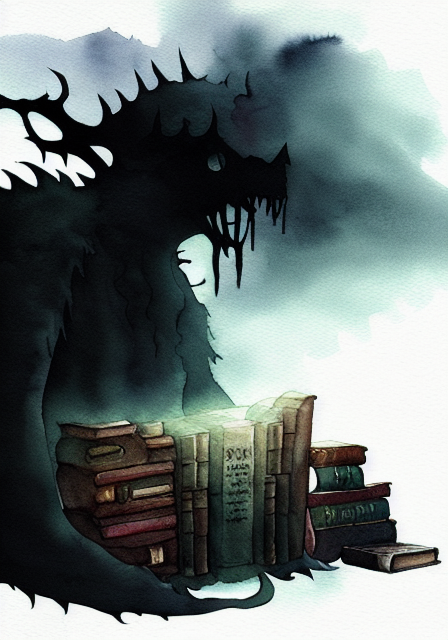
Now, here’s the scoop on the second secret: Shadow categories (a term I coined, and it fits like a glove!). These categories make up over 27 percent of what’s listed on KDP, and they’re a bit of an enigma. Picture this: If your book finds its way into one of these shadowy categories, you can’t climb the ranks or snag a bestseller badge for that spot. They’re sort of like the “no man’s land” of categories, hence the name, shadow categories. Got it?

Now, here’s how you can spot them: When you click on a link in KDP to a shadow category (but not always), you won’t even see the category name at the top; it simply reads “bestsellers” or “top-rated.” Quite different from the usual category links in KDP, like “historical mystery.”

But here’s the kicker – the links in KDP aren’t directly linked to the category page itself; they point to something called a browser node of that category. When you peek at the actual category pages, the difference is clear. The shadow category lacks a name, and there’s no category tree on the left; it’s just empty. What’s frustrating is that if you’re in a shadow category, you can’t score a bestseller tag for that specific category. However, you can become a bestseller for the subcategory above it. So, in a nutshell, selecting a shadow category might put you in a tougher spot.

As you can see, nabbing a bestseller tag for a shadow category you’ve chosen is a no-go. Plus, shoppers can’t even stumble upon that elusive category page to discover your book. And a whopping 27 percent of all KDP categories fall into the shadowy realm. So, it’s best to steer clear of these tricky categories or, at the very least, be extra cautious not to pick multiple shadow categories within the same section.

3

Amazon’s fine print does reveal an interesting tidbit: they possess the ability to overlook the categories you’ve handpicked and, instead, slot your book into categories of their choosing. In their FAQ page, they explain, “We reserve the right to change the categories of a book at any time to ensure a positive customer experience. The categories you add and the categories shown online may not always match; your book may be added to additional or different categories to improve the customer experience.”

Now, let’s dive into how Amazon’s algorithm determines which categories are the right fit for your book. It’s quite straightforward, really. They rely on the keywords you’ve incorporated into your book and your seven Kindle keywords to determine if your book aligns with the category you’ve selected. Moreover, if they detect that you’re using specific keywords that are a good match for another category, they utilize that information to assign you to more categories so I now recommend that authors allocate one or two of their seven Kindle keyword slots for category-related keywords..

I get it; it might sound a bit overwhelming, and some of these details might have flown over your head. But no worries Here is the step-by-step process to research, find, and select Amazon categories:

  1. Research a list of potential book categories
  2. Check for the #1 best seller in your chosen categories
  3. See the list of all Amazon book categories
  4. Add your categories to your book in KDP

I found these free tools to check categories and you may find them useful too:
https://www.kindleranker.com/articles/kdp-category-browser/
https://nerdybookgirl.com/book-category-hunter/

I understand that this may seem like a lot to take in, but it’s truly invaluable information for authors, especially when you’re selecting your three categories. It’s quite surprising that Amazon even has these shadow categories, but I’ve encountered various issues with them. Some of these categories even sport names like “name later.” Perhaps Amazon will work on improvements or changes down the line, and if they do, rest assured that I’ll keep you in the loop.
Share this from Keith Draws:

  • Share on Facebook (Opens in new window) Facebook
  • Share on X (Opens in new window) X
  • Share on Pinterest (Opens in new window) Pinterest
  • Share on LinkedIn (Opens in new window) LinkedIn
  • Share on Reddit (Opens in new window) Reddit
  • Share on Tumblr (Opens in new window) Tumblr
Like Loading...

Savannah Cordova: “The Importance of Professional Cover Design”

25 Thursday Nov 2021

Posted by keithdraws in Book cover

≈ Leave a comment

Tags

author, author help, book, book cover, Cover design, KeithDraws, publishing, Savannah Cordova, writer, writing


Savannah Cordova is responsible for Content Marketing at Reedsy where she is focused on helping Authors. She has contributed posts about writing and publishing to Writers Helping Writers, DIY MFA, IndieReader, and many more sites in the industry.

Congrats! You’ve finished your book, polished the writing, and you’re ready to get it into the hands of your adoring readers.

There’s just one last obstacle standing in your way — creating the perfect cover to, quite literally, bind it all together.

In the self-publishing world, you’ll often hear how important it is to hire a professional editor. Today, however, I’m here to convince you that hiring a professional cover designer is just as crucial to your book’s success, if not more so! Without further ado, here are three reasons why you shouldn’t tackle your cover on your own.

1. People will judge your book by its cover

The cliché advice to not judge a book by its cover is rarely followed by readers. And to be honest, can you blame them? If a book’s cover looks sloppy and rushed, it’s human nature to assume the same about the contents within. Luckily, the reverse is also true: a clean, professional book cover will draw people in and give them an instantly positive impression of your writing.

So how do you come up with just the right cover for readers to judge? Though you, the author, know your book best, you should ultimately leave the execution to your designer. By all means, work collaboratively and give them some ideas for your final cover — if your talents stretch to art and photography, you could even provide some possible images for them to include — but it’s best to let a professional handle most of the details.

Remember that your cover should signal the genre of your book and offer some additional hints as to what it’s about, through everything from beautiful artwork to catchy taglines. Of course, as an author, you’ll likely be familiar with the general look of covers in your genre, but it’s the job of a professional cover artist to incorporate specific trends that will actually sell your book. They’ll know how to include the essential elements of your story on the cover without making it look too crowded, striking the perfect balance of genre-indicative and attractive.

2. Ebook covers need to stand out even more

With platforms like Amazon KDP, it’s easier than ever nowadays to write and publish an ebook. But as exciting as this is for self-publishing authors, it also means that competition is on the rise, with estimates stating that up to one million books are being self-published in the US each year.

As a result, you’ll need a cover that really stands out, even to people scrolling through pages upon pages of options. This cover doesn’t necessarily have to be brightly colored or experimental, but some eye-catching elements are vital to catching readers’ attention — especially if you’re writing in an extra-saturated genre like romance or thriller.

In terms of ebook cover effectiveness, you should also keep in mind that thumbnail images shown online are much smaller than the covers you’d see when browsing your local bookstore. This means your cover needs to work not just as a full-size image, but also in thumbnail form! Even if they can’t tell exactly what’s on the cover, people should be able to read the title and register the aesthetic at a glance.

A professional cover designer will understand how to do all this while sticking to the trends within your genre, and will be well-versed in the rules and guidelines of all the various self-publishing platforms to ensure you have no trouble when uploading.

3. Your cover is your number-one marketing tool

A strong cover will also do wonders for your marketing campaigns — it doesn’t matter how great the copy in your listing is if the book itself looks unappealing. You want something that will halt even the most dedicated Instagrammer scrolling through their neverending feed and intrigue them enough to find out more.

A professional cover designer is your best bet for achieving this. After all, you wouldn’t expect a director to design billboards and posters to advertise their movies; why should this be any different for authors? From nailing the color and composition of your cover to designing suitable ads for the social platforms of your choice (this will cost extra, but it’s worth it), a designer can make your marketing journey go much more smoothly.

With all that in mind, hiring a cover designer ought to be a no-brainer when it comes to publishing your book. Whatever you decide to do, hopefully this post has given you a bit more insight re: just how much work goes into a strong cover — and even if you don’t hire a designer, remember to get friends’ feedback (and encouragement!) so at least you won’t be going it alone.

Share this from Keith Draws:

  • Share on Facebook (Opens in new window) Facebook
  • Share on X (Opens in new window) X
  • Share on Pinterest (Opens in new window) Pinterest
  • Share on LinkedIn (Opens in new window) LinkedIn
  • Share on Reddit (Opens in new window) Reddit
  • Share on Tumblr (Opens in new window) Tumblr
Like Loading...

Eight Useful Tips for Editing Your Book (guest post)

25 Saturday Oct 2014

Posted by keithdraws in Editing

≈ Leave a comment

Tags

advice, book publishing, book writing, Editing, Keith Draws, Mel Finefrock, publishing, writing

Many thanks to Editor Mel Finefrock for supplying this great information.

From Caterpillar Manuscript to Butterfly Novel

Eight Useful Tips for Editing Your Book

By Mel Finefrock

Introduction

A caterpillar cannot become a butterfly without first undergoing transformation in a chrysalis. As an editor, I feel the same is true when it comes to shaping a manuscript into a publish-ready book. Though editing is multifaceted and even tedious at times, and therefore dreaded by many, it is crucial to the development of a strong text and, with persistent effort, can be manageable and even enjoyable. In this article, I will discuss the revision process through the lens of self-publishing, which is a fast-growing industry and which is becoming increasingly more accessible to those who aspire to immortalize their words on a page.

Where to Start?

Are you a new author aiming to self-publish? Are you feeling unsure about where to find an editor, or whether you can afford one? If you haven’t already, I’d suggest that you explore the many offers for editorial services on sites like KBoards. Working with freelance editors still costs, but it’s far more affordable for indie authors than other alternatives may be. Consider the investment. Maybe even talk with a prospective editor about whether (s)he offers payment plans. In the indie world, we are of the understanding that it takes some time for everyone, writer or editor, to get her business off the ground.

If it turns out that editorial services still aren’t in your budget for the time being, you may hesitate to move forward with your manuscript or, inversely, elect to publish without some sort of editing regimen beyond proofreading it independently. I highly discourage either course of action. You want your book to go somewhere, and you want it to be polished.

Words of Wisdom

The following eight tips are useful whether or not you plan to hire an editor in order to ready your manuscript for publication.

  1. Don’t panic. It’s natural to look at a manuscript of fifty thousand words or more in length and feel just a tad overwhelmed, but think about it this way–if you are the veteran of writing that book, you surely can edit it. If it helps, think of it like maintaining a garden. No matter if you don’t have a green thumb; bear with me here. You’ve planted and mulched; now you need to go back and weed, water, and dead-head everything so that your plants, flowers, or crops will stay healthy and beautiful.
  2. When it comes to grammar, spell check is your friend, but technology is not by any means infallible. One of my all-time favorite spoken-word pieces by slam poet Taylor Mali, entitled “The The Impotence of Proofreading,” perfectly illustrates and satirizes this issue. Hence, a combination of spell-checking and proofreading your work is the best self-editing regimen. Let’s say you’re a great storyteller but that you struggle with grammar and feel that spell check and the naked eye may not be sufficient. In that case, you might consult a grammar manual or even Google for those pesky dangling modifiers. A trick that even I use is to read things to myself aloud. If they don’t make sense, or I stumble over my words, it’s time to rework the syntax. Even then, we will often mentally correct an error on the page and miss it altogether, so maybe have a friend or family member read a passage aloud to you for extra insurance.
  3. Answer yourself this question: are you the type to edit as you go or to freewrite everything in a whirlwind and then come back to it? My observation is that too much of the former scenario can slow progress and that the latter lends to higher margins of error. What tends to work best for me personally is to do a little of both. Everyone writes differently, but if you’re looking to improve efficiency, try striking a balance between freewriting and editing as you go. This way, you won’t agonize over how to word a particular sentence, but you’ll catch glitches like a character’s brown eyes suddenly being blue for a few paragraphs and then going back to brown again.
  4. Don’t rush. You’re understandably excited to publish your manuscript, but the more time you allow for revision, the more issues will be resolved and the stronger your text will be. Lots of books begin with the great race that is NaNoWriMo, but you are not obligated to aim for a finished product in such a short amount of time, nor would I recommend it.
  5. Similarly, know when to take a break. I wouldn’t know this personally, because I don’t rely on computer monitors to read, but I’ve been told by friends, clients, and volunteers with the text conversion team at my alma mater’s disabilities office that they often feel more than a little cross-eyed after a few hours of hunting and pecking for grammar and formatting issues in a document. The refresh rates on monitors are bad for your eyes and can cause headaches. If you aren’t feeling your best, you aren’t doing your best. So get up, drink some water or hot tea, do a few chores or go for a walk, then come back to it later or even tomorrow. Maybe even consider printing a hard copy of your manuscript at an office supply store and attacking it with a red pen like you did back in grade school.
  6. Beta-readers are a wonderful thing. Even if you’re spot-on with spelling, grammar, and continuity, always pass your manuscript through multiple sets of hands. Solicit the opinions of willing friends and family just as you would a mentor, because sampling multiple perspectives from people of different backgrounds will help you get an idea of responses to your book. Consult other artists, too. Especially in the indie field, I see up-and-coming authors swapping critiques all the time, starting with places like Facebook groups or deviantART’s literature community. Forming relationships is important, because those connections may aid in building some publicity for you as well.
  7.  When enlisting the help of friends, family, mentors, and other artists, I recommend the discussion-based style of editing outlined in my editorial statement. In other words, if your schedule allows, avoid using track changes. Talk with your betas about the changes they’ve suggested. I personally have used this method for years, both officially and unofficially, and my clients have reportedly appreciated this style, because it fosters direct interaction with the text and helps them to understand why I’ve made a particular suggestion. Most importantly, I feel that this approach helps authors to improve and feel more confident in their writing, because they are empowered to have the final say in what happens with it.
  8. Edit your manuscript more than once. Yep, I said it. I can practically hear your collective groaning, but I have seen several books published that still had several grammatical and continuity errors, including alternate spellings of a single character’s name. In order to avoid hitting burn-out, I suggest taking some time between each round of edits. This inevitably prolongs the revision process, but holding a clean volume in your hands, I think, is the best reward in the end.

Conclusion

Many thanks to Keith for asking me to serve as a guest writer on his blog. I hope that my editing tips might be of some help to you all. Have any questions or ideas for a future blog post? Leave them in the comments!

Blogger Bio

Since graduating from the University of North Texas in May of 2013, Mel Finefrock has been following her long-time dream of working as a freelance editor. She has edited ten books, seven of which are the work of award-winning romance novelist, Krista Lakes. Mel’s greatest passion is art, which is why she loves working with authors. An artist herself, Mel writes songs and accompanies herself on guitar, has won awards for her poetry from UNT and the Coalition of Texans with Disabilities, and even takes pictures once in a while, which might surprise many on account of her blindness.

Share this from Keith Draws:

  • Share on Facebook (Opens in new window) Facebook
  • Share on X (Opens in new window) X
  • Share on Pinterest (Opens in new window) Pinterest
  • Share on LinkedIn (Opens in new window) LinkedIn
  • Share on Reddit (Opens in new window) Reddit
  • Share on Tumblr (Opens in new window) Tumblr
Like Loading...
 mailing list button
Follow keithdraws on WordPress.com

About this Blog

We post lots of great advice on how to create your own book covers. Just check the Categories bellow.
We also offer custom made covers, illustrated, photomontage or purely typographic, if you don’t want to do the work yourself.
Any questions feel free to contact us, just click the contact tab above.
If you want to support me in my illustration work go here

Categories

  • blogging for sales.
  • Book cover
  • Book Cover Design
  • Cards
  • color
  • Comic Art
  • Composition
  • E book sizes
  • Editing
  • Fantasy
  • Fantasy art
  • Fantasy ready made cover
  • General
  • golden ratio
  • High Fantasy
  • Historical fiction
  • Humor
  • Illustration.
  • Interview
  • Interviews
  • Panther
  • Photo compositing
  • Photo compositing
  • Photoshop
  • publishing
  • Science Fiction
  • The Rule of Thirds
  • Typograpghy
  • Typography
  • Typography
  • Uncategorized

Archives

  • November 2023
  • September 2023
  • June 2023
  • November 2022
  • January 2022
  • November 2021
  • August 2021
  • July 2021
  • June 2021
  • July 2020
  • March 2020
  • October 2019
  • May 2019
  • April 2019
  • December 2018
  • June 2018
  • April 2018
  • March 2018
  • November 2017
  • September 2017
  • July 2017
  • June 2017
  • September 2016
  • August 2016
  • June 2016
  • May 2016
  • January 2016
  • December 2015
  • June 2015
  • May 2015
  • April 2015
  • January 2015
  • November 2014
  • October 2014
  • September 2014
  • August 2014
  • April 2014
  • March 2014
  • February 2014
  • January 2014
  • December 2013
  • November 2013
  • July 2013
  • April 2013
  • October 2012
  • September 2012
  • August 2012

Keith Draws Cover Art on Facebook.

Keith Draws Cover Art on Facebook.

Keith Draws on Twitter.

Tweets by Keith_Draws

Recent Posts

  • The Dangers of AI.
  • Check out The Tower’s Alchemist Film Script by ALESHA ESCOBAR
  • Amazon Shadow Categories.
  • How to Paint Cosmic Horror?
  • E. M. Foner, Living Series Cover art

Meta

  • Create account
  • Log in
  • Entries feed
  • Comments feed
  • WordPress.com

Blog at WordPress.com.

  • Subscribe Subscribed
    • keithdraws
    • Join 79 other subscribers
    • Already have a WordPress.com account? Log in now.
    • keithdraws
    • Subscribe Subscribed
    • Sign up
    • Log in
    • Report this content
    • View site in Reader
    • Manage subscriptions
    • Collapse this bar
 

Loading Comments...
 

    %d